Why Is Packaging Critical?
Packaging is an issue that is often underestimated but extremely critical in e-commerce. Correct packaging protects your product from damage while reducing shipping cost and offering the customer a professional experience. Bad packaging, on the other hand, means damage, returns and negative reviews.
A product reaching the customer intact is the foundation of the purchase experience. During the shipping process, a package is handled, stacked and transported many times; products that are not adequately protected in this process can be damaged. Sturdy packaging minimizes this risk and secures customer satisfaction.
Packaging also directly affects cost. Since carriers can base pricing on volumetric (dimensional) weight, unnecessarily large or empty boxes increase the shipping fee. Choosing packaging of the correct size both provides protection and helps you avoid unnecessary cost.
This guide explains step by step how you should package e-commerce products: correct box selection, cushioning materials, protection of fragile products, volumetric weight optimization and creating a brand experience. It offers practical information for both beginners and growing stores.
While Shipbu lets you compare carrier prices for your shipments, you can optimize these prices even further with correct packaging. Optimizing packaging and carrier selection together significantly lowers your shipping cost.

Choosing the Right Box and Materials
The first step of packaging is choosing a box suitable for the product. The box should be large enough to comfortably hold the product but not leave excessive empty space inside. A box that is too large leads to both cushioning material waste and high shipping cost due to volumetric weight.
The durability of the box must be appropriate to the weight and fragility of the product. For heavy products, double-wall cardboard boxes are safer. For light products, standard boxes may be sufficient. The quality of the box directly determines the level of protection during transport.
Cushioning materials stabilize the product inside the box and protect it against impacts. Bubble wrap, foam, paper filling or air pillows prevent the product from moving and being damaged. Correct cushioning fills empty spaces and prevents the product from being tossed around inside the box.
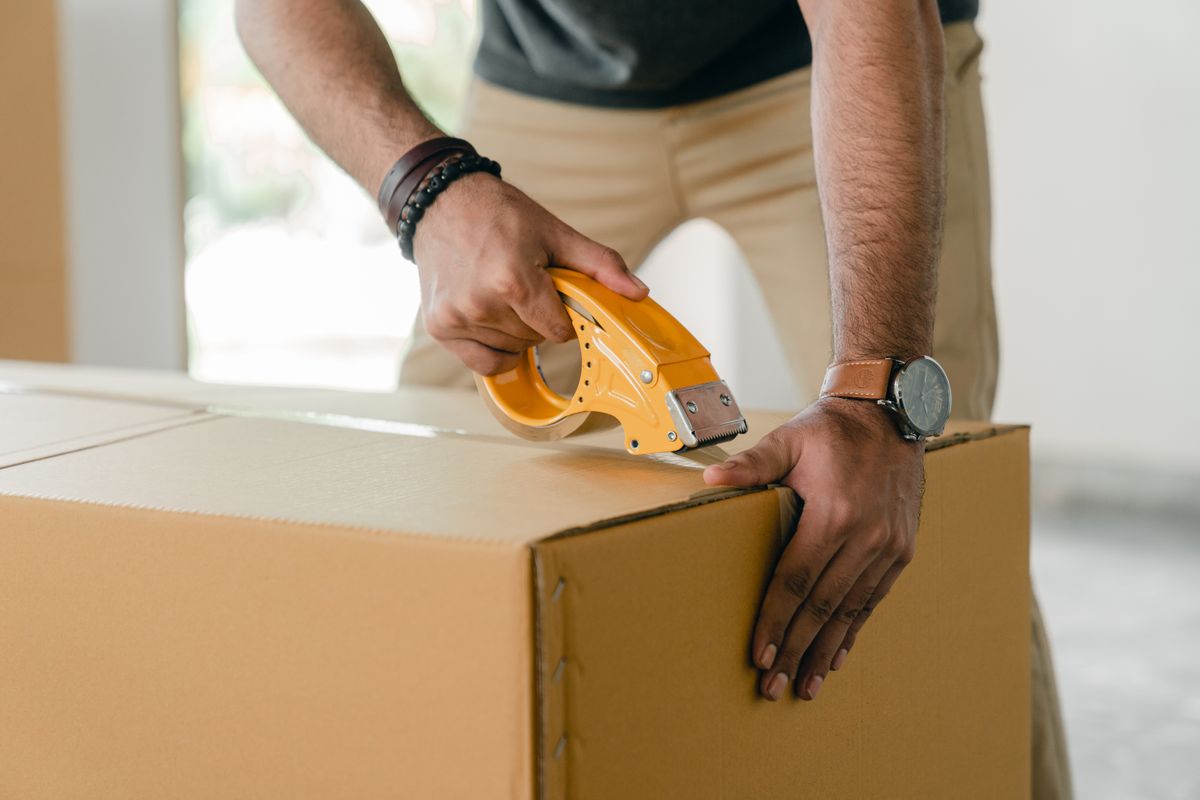
Taping and sealing are also important. Taping the box with a strong tape in a way that closes the edges and seams prevents it from opening during transport. The 'H' taping technique secures all the opening points of the box and increases durability.
Fragile and Special Products
Fragile products require extra care. Wrapping sensitive products such as glass, ceramic or electronics individually with bubble wrap prevents them from touching and colliding with each other. Leaving sufficient cushioning on all edges of the box prevents impacts from reaching the product.
The double-boxing technique inside the box provides ideal protection for very fragile products. The product is first placed in a small box, then this box is placed inside a larger box with cushioning material. This method offers the highest level of protection.
Leak-proof packaging is critical for liquid products. Sealing the mouth of bottles with extra tape, bagging each product separately and using absorbent material prevent a possible leak from damaging other products. In liquid shipments, carrier rules must also be checked.
Adding correct labels to the outside of the box guides handling. Labels such as 'Fragile', 'This side up' or 'Handle with care' warn cargo staff. Although these labels do not provide a guarantee, they help reduce the risk of damage by drawing attention.
Volumetric Weight and Cost
To understand shipping cost, knowing the volumetric (dimensional) weight concept is essential. Carriers compare the actual weight with the volumetric weight and use the greater one as the basis for pricing. That is why a light but large package can be subject to a much higher fee than its weight.
Packaging optimization directly lowers volumetric weight. Choosing the smallest box that protects the product, reducing unnecessary empty space and doing compact packaging lower the volumetric weight and therefore the shipping cost. This means significant savings for businesses that ship regularly.
However, do not compromise on protection for the sake of cost. An overly small or weak packaging increases the risk of damage; damage can cost much more than the shipping cost. The right balance is between both sufficient protection and optimum size.
Also consider the weight of the packaging materials. Excessive cushioning or heavy packaging increases the actual weight. Using materials that provide light but effective protection gives the best result in terms of both protection and cost. Shipbu completes this optimization by comparing carrier prices.
Creating a Brand Experience
Packaging is not only protection but also a brand experience. The moment the customer opens the package (unboxing) is an important part of the emotional bond they form with your brand. Careful, aesthetic and thoughtful packaging leaves a positive impression on the customer and makes your brand memorable.
Branded packaging creates professionalism and trust. Boxes containing a logo, brand colors or a special design show the customer the seriousness of your brand. These details increase the perceived value of the product and encourage the customer to shop again.
Small touches make a big difference. A thank-you note, discount coupon or small gift makes the customer feel special. Although these gestures are low-cost, they feed customer loyalty and positive reviews; they increase the likelihood of being shared on social media.
Sustainable packaging is also becoming increasingly important. Using recyclable materials and avoiding unnecessary plastic is a reason for preference for environmentally conscious customers. Sustainability both adds value to your brand and can optimize operational costs.

Conclusion: Smart Packaging, Happy Customer
Correct packaging is a versatile investment that provides protection, savings and brand value in e-commerce. Protecting the product from damage, optimizing volumetric weight and creating a memorable opening experience, when combined, increase both customer satisfaction and profitability together.
Seeing packaging not as a cost item but as an opportunity grows your business. Sturdy, correctly sized and branded packaging reduces damage returns, lowers shipping cost and strengthens customer loyalty. Offering these three benefits at the same time is the essence of smart packaging.
Shipbu lets you compare carrier prices for your shipments and manage your processes on a single platform. When you combine correct packaging with carrier optimization, you both lower your cost and offer your customers the best experience.