
Why Is Delivery Time Important?
Delivery time is one of the most important factors determining the customer experience in international shipping. Fast delivery increases customer satisfaction, encourages repeat purchases and feeds positive reviews. Slow or unpredictable delivery, on the other hand, leads to dissatisfaction.
However, speed is not always the best option; it needs to be balanced with cost. The fastest service is usually the most expensive. Choosing the right delivery time requires striking a balance between the urgency of your shipment, the customer's expectation and your budget.
Delivery time is not just transit time. Processing time, customs clearance and final distribution are also added to the total time. To make a realistic delivery estimate, all these stages must be taken into account. Thinking only about 'flight time' can be misleading.
This guide explains the factors affecting cargo delivery times, the differences between service levels and how to strike the right balance between speed and cost. This way you can consciously determine the most suitable delivery option for each shipment.
Shipbu lets you compare the delivery times and prices of different carriers on a single screen. This way you can quickly find the option best suited to your urgency and budget for each shipment.
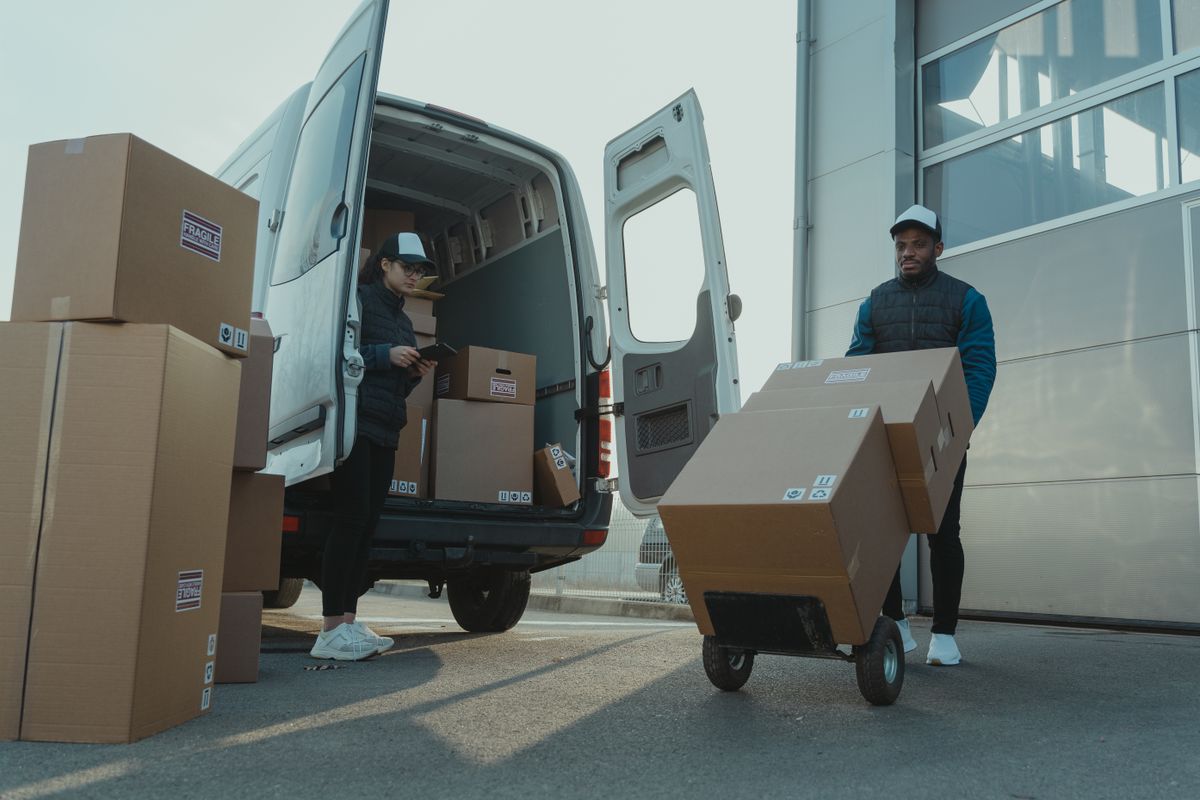
Express Service
Express service is the fastest delivery option. It is usually air-cargo-based and can deliver the shipment even intercontinentally within a few business days. This speed is critically important for time-sensitive products, urgent orders and seasonal demand.
The biggest advantage of express service is predictability and reliability. Global express carriers offer strict time commitments and track the shipment end to end. This provides high confidence for both the sender and the buyer; the delivery date is usually clear and guaranteed.
Express service also includes more comprehensive customs clearance support. The carrier manages customs processes professionally; this ensures the shipment passes quickly. Document support and end-to-end tracking are elements that increase the value of express service.
The disadvantage of express service is its cost. Speed and reliability come at a higher price. That is why express service is the most sensible choice for truly urgent or high-value shipments. Sending every shipment by express can lead to unnecessary cost.
Economy Service
Economy service is a more affordable but longer-delivery-time option. It covers methods such as economy air cargo, road transport or consolidated shipping. It is an ideal cost solution for shipments with low urgency.
The biggest advantage of economy service is cost savings. By extending the delivery time a little, you obtain a significant price advantage. This means significant savings in the long run, especially for businesses that ship regularly and in high volume.
Economy service makes sense for shipments with a flexible delivery schedule. Provided that the delivery time is clearly stated to the customer, the economy option both lowers the seller's cost and provides the opportunity to offer the customer a more affordable price. Transparent communication is the key to this method.
The disadvantage of economy service is that the delivery time is longer and sometimes less predictable. That is why it is not suitable for urgent shipments or time-sensitive products. Directing the right shipment type to this method preserves the balance of both cost and customer satisfaction.

Factors Affecting Delivery Time
The first factor affecting delivery time is distance and route. Distant destinations and routes requiring multiple transfers naturally take longer. Routes with a direct connection are faster. The location of the destination directly determines the time.
The customs clearance process is a decisive part of the delivery time. If your documents are complete and correct, customs proceeds quickly; missing documents or situations requiring inspection can add days. That is why customs preparation is an integral part of the delivery time.
Final distribution conditions at the destination also affect the time. While delivery to large city centers is usually fast, delivery to remote or rural areas can take longer. Local infrastructure and the distribution network determine the speed of last-mile delivery.
Season intensity and unexpected situations can also extend the delivery time. During busy periods such as the New Year, carriers reach the capacity limit and times can lengthen. Weather conditions or operational disruptions can also lead to unforeseen delays. Including these factors in planning provides a realistic estimate.
Striking the Right Balance
Striking the right balance between speed and cost is the essence of smart logistics management. Instead of handling every shipment with a single approach, evaluating the urgency and priority of each shipment separately optimizes both cost and customer satisfaction.
For urgent and high-value shipments, express service is the most sensible choice despite the additional cost; it prevents potential lost sales and customer dissatisfaction. For shipments with low urgency and high cost sensitivity, economy service provides significant savings.
Offering the customer different delivery options leaves the balance to the customer. Showing both express and economy options at checkout allows the customer to decide according to their own priority. This flexibility both eases the sale and increases customer satisfaction.
The most practical way to make the right decision is to compare delivery time and cost for each shipment. Shipbu lets you see both the times and the prices of different carriers on a single screen; this way you can quickly find the most suitable balance for each shipment.

Conclusion: Conscious Delivery Choice
Cargo delivery time is a matter of striking a balance between speed and cost. While express service is the fastest and most reliable option, economy service offers the most affordable solution. The right choice depends on the urgency of your shipment, customer expectation and your budget.
Understanding the factors affecting delivery time (distance, customs, distribution, season) lets you make realistic estimates. Stating a clear and realistic delivery time to the customer builds trust; overly optimistic promises lead to dissatisfaction.
Shipbu lets you compare the delivery times and prices of different carriers on a single screen and manage your processes on a single platform. This way you make your logistics operation efficient by striking the most suitable balance between speed and cost for each shipment.