Why Are Containers Important?
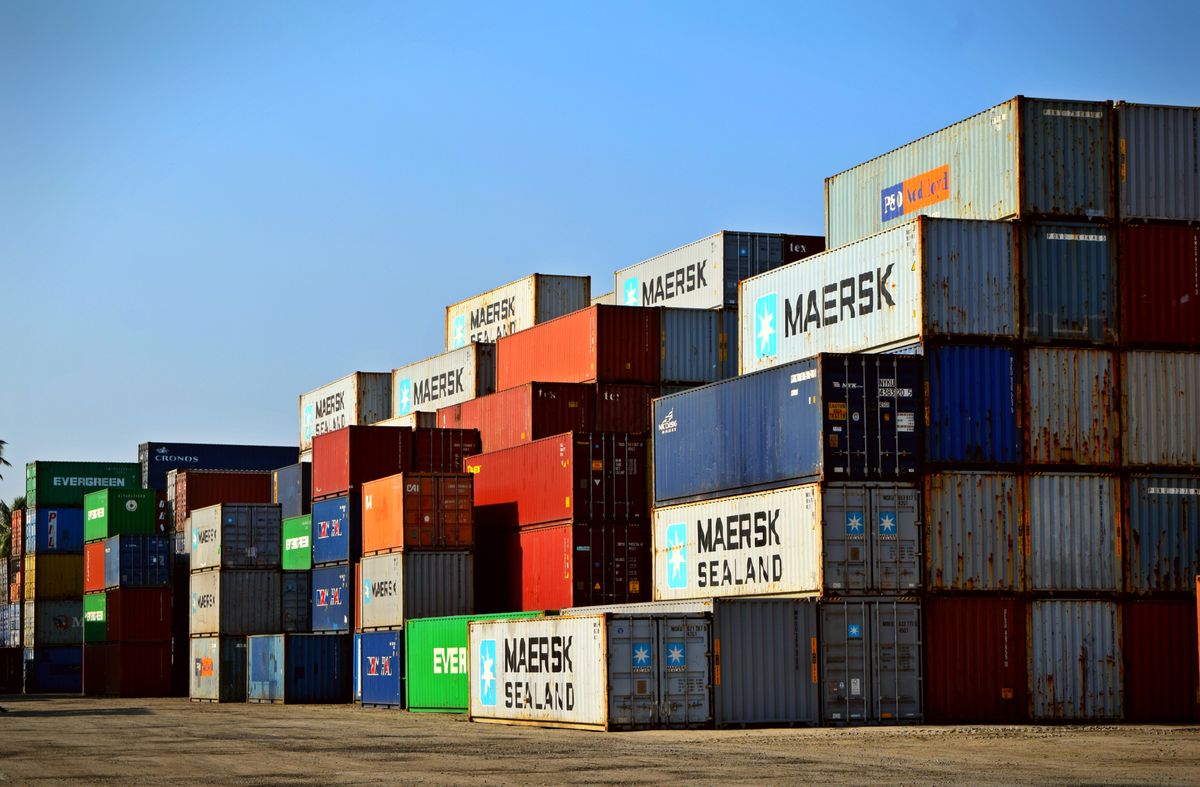
The container is the cornerstone of modern sea transport. Thanks to their standardized dimensions, loads can be transported, stacked and transshipped with the same equipment everywhere in the world. This standardization makes international trade efficient and economical.
Choosing the right container type is critical for the safe and economical transport of your load. Each container type is designed for different types of loads; the wrong choice can lead to both cost increases and load safety problems. That is why knowing the container suitable for your load is important.
Container types differ according to the size, weight, temperature sensitivity and shape of the load. There are various options, from standard dry cargo containers to refrigerated containers, from open-top containers to platform containers. Each meets a specific need.
This guide explains the most common container types, their features and which loads they are suitable for. This way you can choose the right container for your sea freight shipments and transport your load both safely and economically.
Shipbu helps you evaluate your shipments and find the most suitable transport solution. The right container and the right transport method are the foundation of optimizing your logistics costs.
Standard Dry Cargo Containers
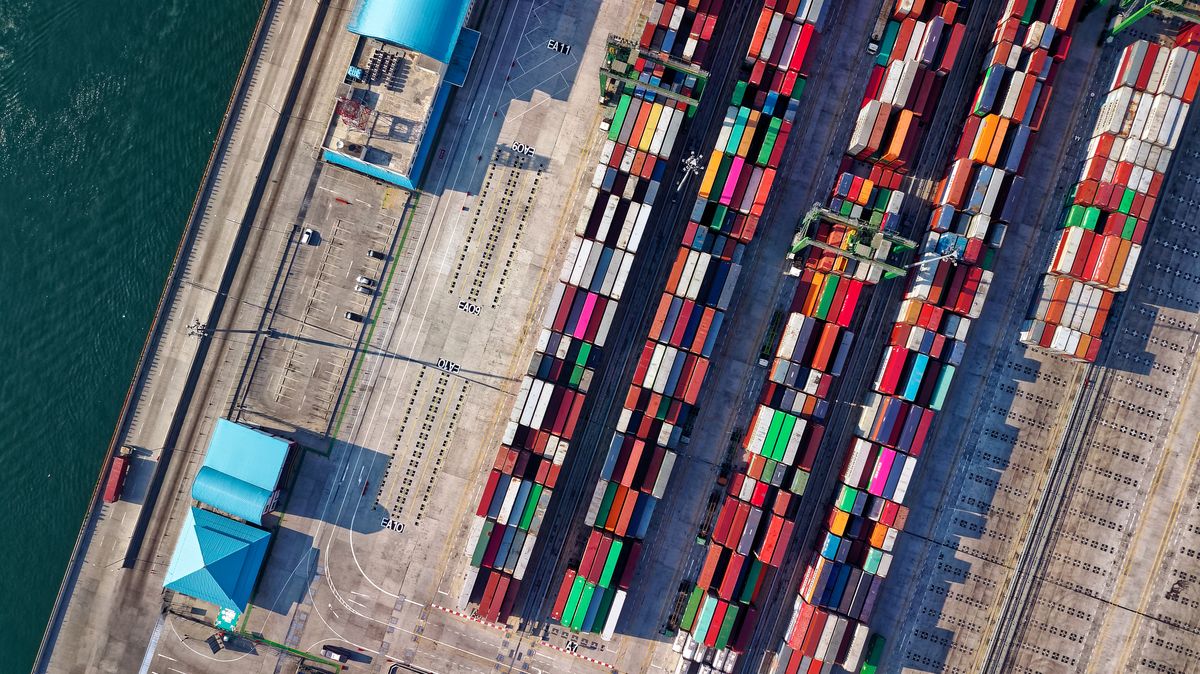
The most common container type is the standard dry cargo container. It comes in two basic sizes: 20 feet and 40 feet. The 20-foot container is ideal for smaller or heavier loads; the 40-foot container offers nearly twice the space for larger-volume loads.
The 20-foot container has an internal volume of about 33 cubic meters and is usually preferred for heavy but volume-wise small loads. This size is ideal for loads where a full container reaches the weight limit before the volume (for example, metal, ceramics).
The 40-foot container, with an internal volume of about 67 cubic meters, is suitable for more voluminous loads. It is an economical option for light but space-consuming loads (for example, furniture, textiles, packaged products). The cost per unit volume is usually lower in 40-foot containers.
The high cube container is a taller version of the standard 40-foot container; thanks to the extra height, it offers more volume. Ideal for light and voluminous loads, this type allows you to transport more products on the same floor area.
Refrigerated Containers (Reefer)
Refrigerated containers (reefer) are designed for loads requiring temperature control. Thanks to their own cooling systems, they keep the temperature inside the container within a defined range. This ensures the safe transport of food, pharmaceuticals and other temperature-sensitive products.
Food products are the most common use area of reefer containers. Fresh fruits, vegetables, meat, dairy products and frozen foods can be transported over long distances without spoiling by maintaining the cold chain. Temperature control preserves product quality and food safety.
Pharmaceuticals and medical products are also frequently transported with reefer containers. Many drugs must be stored within a certain temperature range; otherwise they can lose their effectiveness. Reefer containers ensure the safe transport of these sensitive products by preserving their integrity.
Reefer containers are more costly than standard containers because they require energy and special equipment. However, for temperature-sensitive loads, this cost is mandatory in terms of protecting the product and maintaining its value. The correct temperature setting is critical for the success of the transport.
Special Container Types
The open-top container is designed for loads that need to be loaded from the top or are too tall to fit in a standard container. The roof can be covered with a tarpaulin. It is ideal for machinery, large equipment or products that need to be loaded with a crane.
The flat rack container is a container type with no side walls, consisting only of the floor and end walls. It is used for extra wide, long or heavy loads (for example, machinery, vehicles, pipe-like products). It provides the ability to load from the sides.
The tank container is a special container designed for liquid or gaseous loads. Chemicals, oils, food liquids and gases are transported safely with these containers. Its leak-proof structure ensures the safe transport of dangerous or valuable liquids.
The ventilated container is used for loads requiring air circulation. Products with moisture and ventilation sensitivity, such as coffee beans, cocoa or spices, are transported with these containers. Choosing the right container type preserves product integrity for each load.
Choosing the Right Container
Choosing the right container starts with the characteristics of your load. The load's weight, volume, dimensions and special requirements (temperature, ventilation, shape) determine which container type is suitable. Analyzing these characteristics correctly is the foundation of the choice.
The balance of weight and volume is decisive in standard container selection. A 20-foot is more suitable for heavy but small loads, and a 40-foot or high cube for light but voluminous loads. This balance directly affects the unit cost and transport efficiency.
Loads with special requirements require special container types. If there is temperature sensitivity, a reefer should be chosen; if top loading is needed, an open top; for liquid loads, a tank container. The wrong container puts load safety and product quality at risk.
Cost and availability also affect the choice. While standard containers are common and economical, special containers are more costly and sometimes harder to find. Balancing your load's requirements and your budget lets you make the most accurate choice. Consulting a logistics expert is helpful for complex loads.

Conclusion: The Container Suited to the Load
Choosing the right container is the foundation of sea freight being both safe and economical. From standard dry cargo containers to special types, each container meets a specific need. Analyzing your load's characteristics correctly lets you choose the most suitable container.
By evaluating factors such as weight, volume, temperature sensitivity and shape, you both optimize cost and preserve load safety. While the wrong container can lead to both money and product loss, the right choice ensures smooth transport.
Shipbu helps you evaluate your shipments and find the most suitable transport solution. With the right container and the right transport method, you can manage your sea freight shipments both efficiently and safely and optimize your logistics costs.