Introduction: International Shipping Safety
International shipping is one of the cornerstones of global trade. However, using the right labeling and packaging methods is crucial to ensure that your shipments reach their destination safely.
Labeling ensures that your shipment carries the correct address and information, while packaging protects your products from impacts, moisture, and other external factors. Therefore, it's essential to get both the label and the packaging right.
Proper labeling and packaging not only affect safety but also impact costs. Incorrect labeling can lead to shipments being returned or held up in customs.
In this article, you will explore the best labeling and packaging methods for international shipping, allowing you to deliver your shipments more securely and swiftly.

Proper Labeling Methods
When preparing your labels, it's important to clearly convey information such as the contents, weight, and dimensions of the product being shipped. Additionally, details like the recipient's name, address, and phone number should be complete.
For international shipments, you also need to add customs information to your label. Don't forget to include the appropriate HS code that accurately describes your products to avoid issues at customs.
Lastly, labels made from waterproof and durable materials will prevent information loss throughout the journey of your shipment.
Effective Packaging Strategies
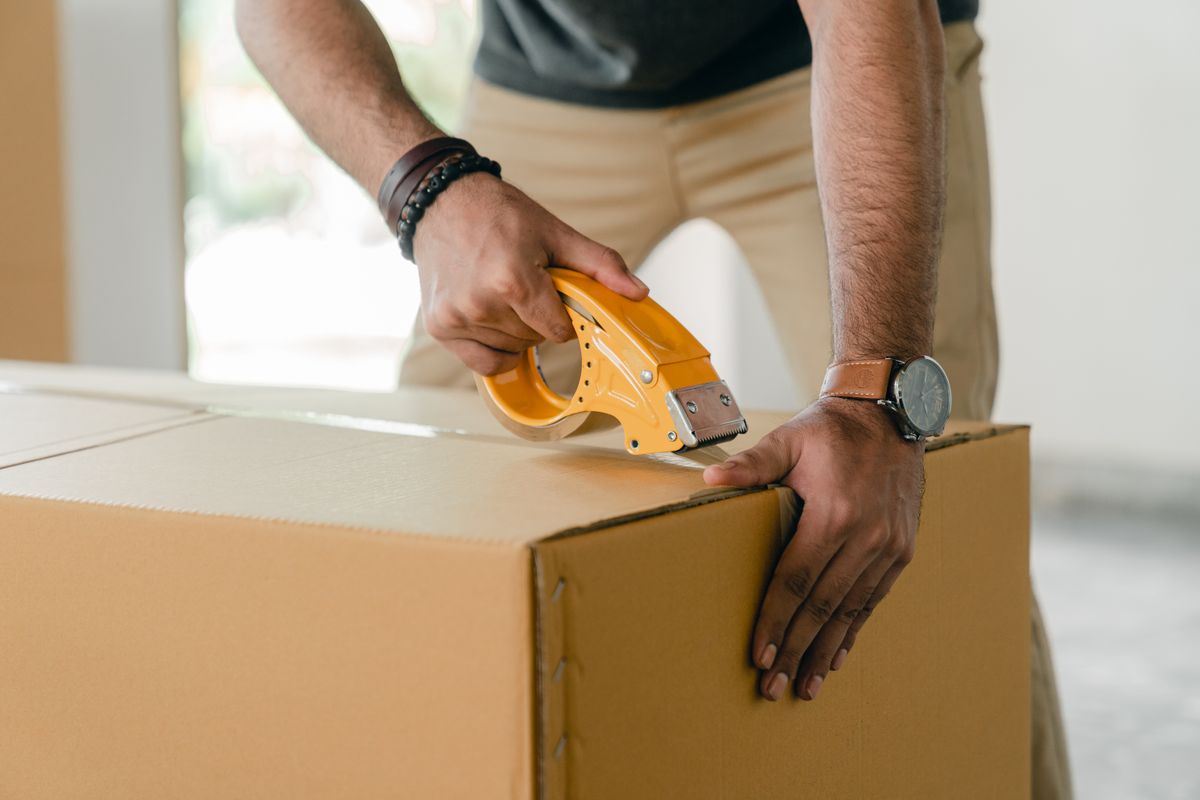
During the packaging stage, you should choose suitable materials to ensure the safety of your products. You can protect your items using cardboard boxes, foam, and bubble wrap.
Correctly placing the products is also important. It is recommended to place items at the corners of the box to balance the weight and enhance resistance to impact.
Additionally, it's crucial to fill any gaps inside your package. This prevents movement of the products, thereby reducing the risk of damage.
Customs and Legal Requirements
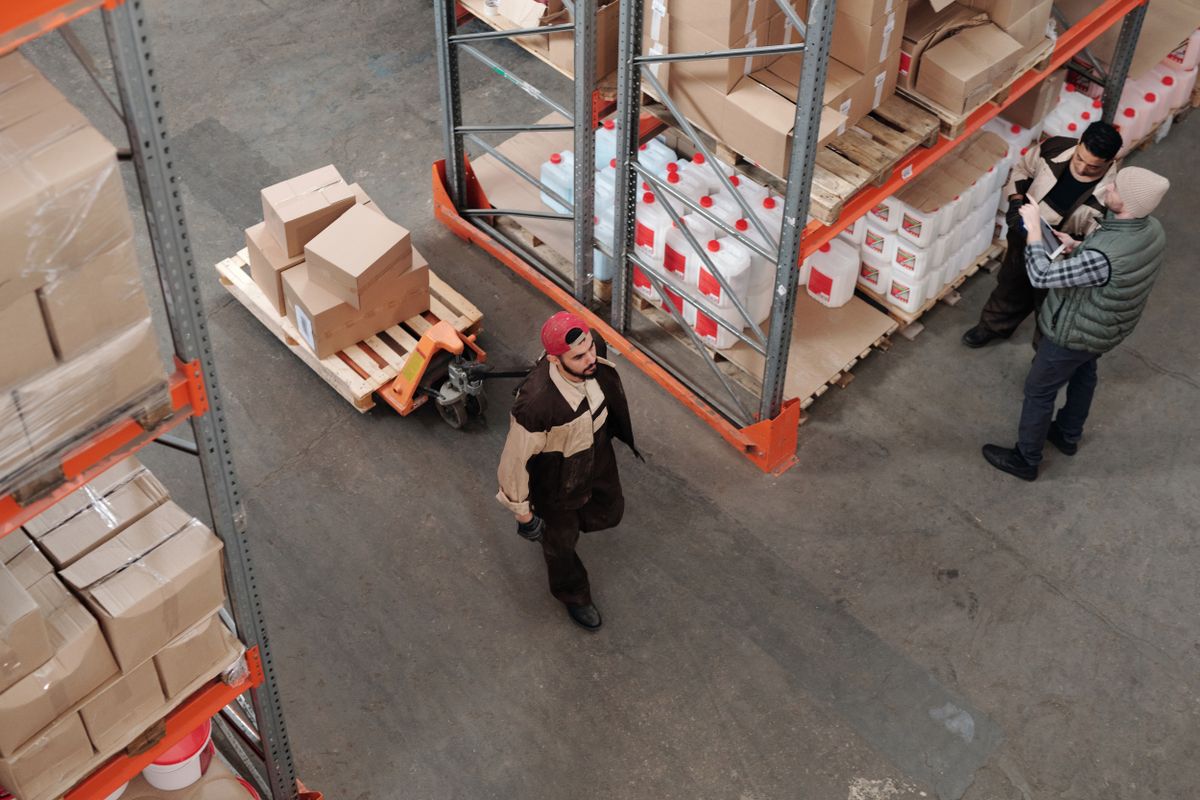
When shipping internationally, it is important to understand the customs and legal requirements of each country. Reviewing the regulations of the country where your shipment will be delivered is essential to avoid issues.
Preparing the necessary documents to legally send your products and including these documents in your package is important. These documents usually include invoices, customs declarations, and transport documents.
Shipping with incorrect documents can lead to issues at customs and delays in your shipment. Therefore, it is imperative to prepare all required paperwork comprehensively.
Final Thoughts
Labeling and packaging in international shipping are crucial for the safety and timely arrival of your shipment. Using the right methods can reduce costs and increase customer satisfaction.
Remember that each shipment is different. You should tailor your labeling and packaging strategies based on the type of products you are sending and the requirements of the destination country.
Ultimately, a good labeling and packaging process will contribute to both your business's success and customer satisfaction.