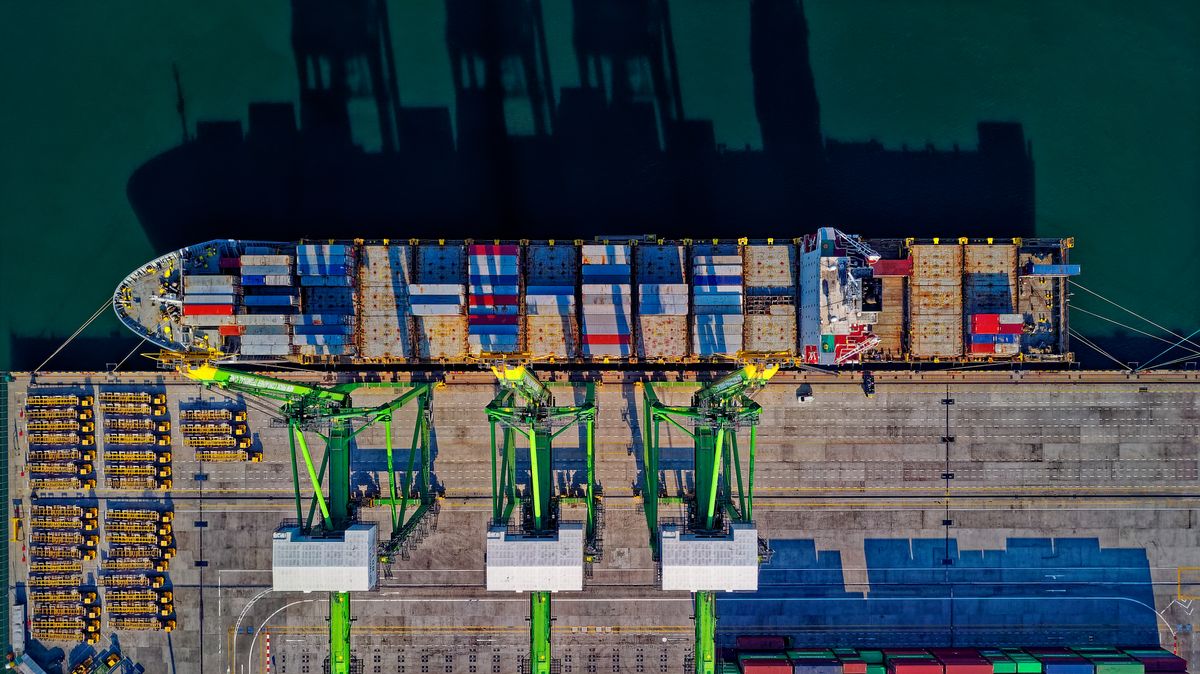
Introduction: The Importance of Fuel Transportation
International cargo transportation is one of the most crucial components of modern trade. Particularly, the transportation of energy resources forms a core pillar of the sector.
Fuel transportation is of vital importance for meeting the needs of various industries. Choosing the right fuel transportation methods plays a critical role in reducing costs and ensuring timely delivery.
In this article, we will explore the methods used in fuel transportation through international cargo. We will discuss the advantages and disadvantages of different transportation options, including air freight, sea freight, and road transport.
Additionally, we will touch upon the customs and legal regulations that should be considered while selecting these methods.
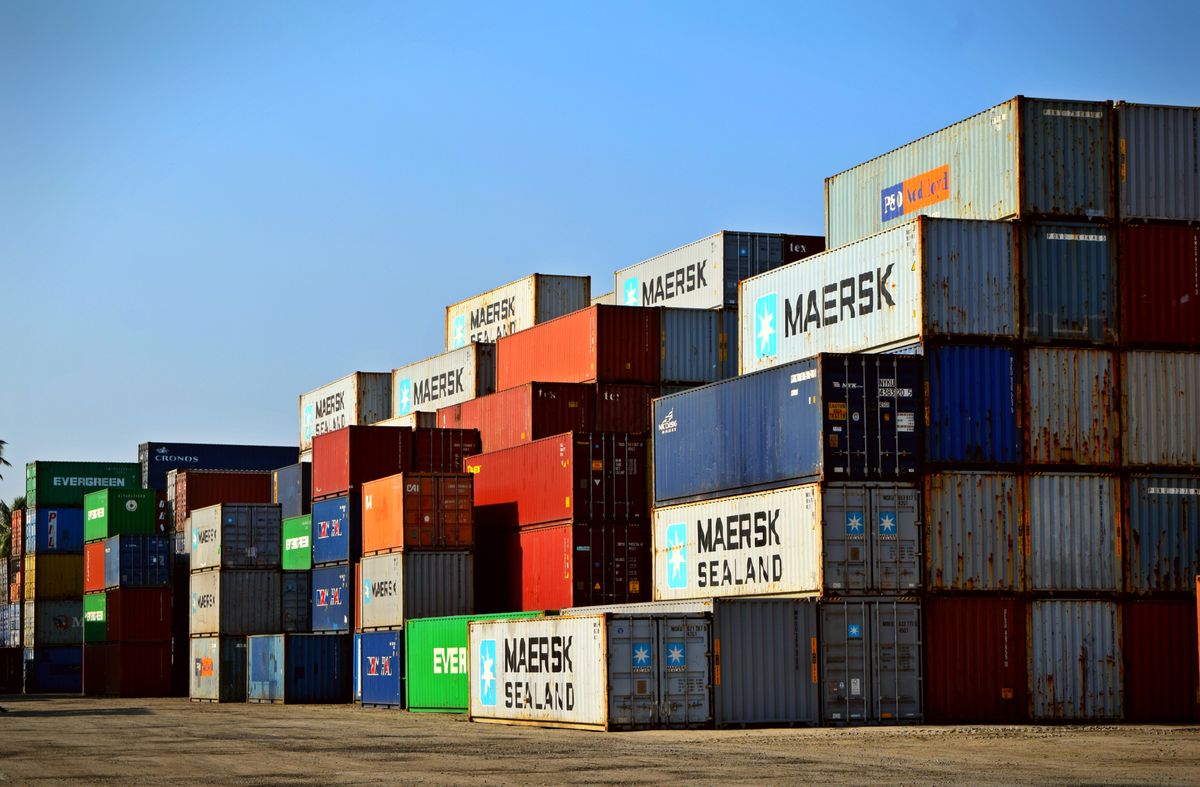
Air Freight for Fuel Transportation
Air freight stands out as a fast and reliable method for fuel transportation. Especially in regions with urgent fuel needs, air transport is one of the best solutions.
However, air freight can often be more expensive. Therefore, this method is typically preferred for high-value or time-sensitive shipments.
Key factors to consider in air freight include airport security and customs processes. Ensuring all necessary documents are in order before the flight is crucial for a smooth transportation experience.
Sea Freight for Fuel Transportation
Sea freight is one of the most popular methods for transporting large quantities of fuel. Its economic advantages make it an appealing option.
Sea freight typically requires longer delivery times. However, it is a cost-effective solution for large shipments.
Another important point to consider in sea freight is the safety of the containers. Proper packaging is essential to prevent fuel leakage and protect the environment.
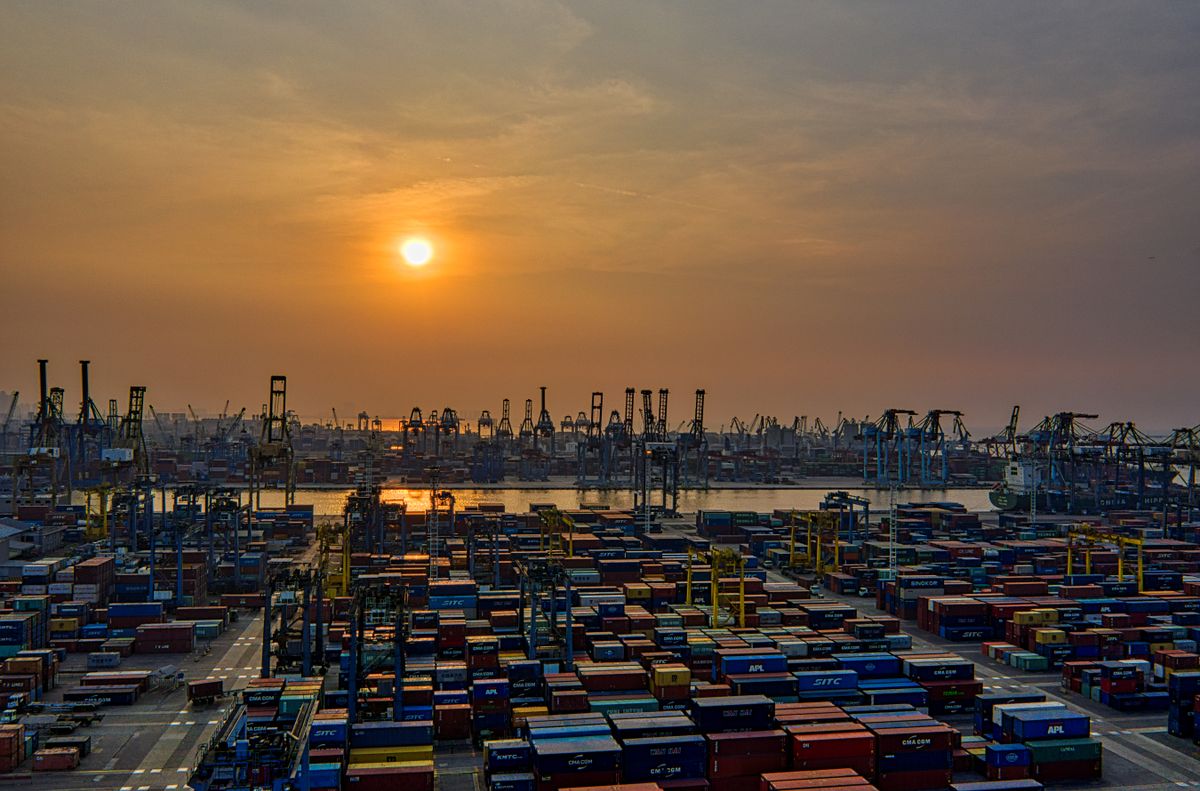
Road Transport for Fuel Transportation
Road transport is an effective method, especially in local and regional distribution. It is frequently used to deliver fuel to the end-user.
While providing high flexibility, road transport can be affected by external factors such as traffic and weather conditions, which can impact delivery times.
Moreover, the tankers used for fuel transportation must be properly equipped and maintained.
Customs and Legal Regulations
It is crucial to pay attention to customs and legal regulations when transporting fuel. Different customs procedures and documents exist between countries.
In international transport, each country has its own legal regulations and tariff classifications. Therefore, it is essential to prepare the necessary documents in full before transportation.
Working with a customs broker specialized in customs processes can help ensure a quicker and smoother process.
Conclusion: Choosing the Right Method
When transporting fuel through international cargo, choosing the right method is vital for success. It is essential to consider the advantages and disadvantages of air, sea, and road transport.
Each method has its own unique requirements and costs. Particularly in time-sensitive situations, finding the most suitable solution is crucial.
Selecting the right transportation method can impact not just costs but also delivery times. Therefore, conducting a comprehensive analysis and seeking professional assistance will be beneficial.