Introduction: What is International Cargo Transportation?
International cargo transportation refers to the movement of goods and products to a point outside a country's borders. Businesses utilize this service to deliver their products to customers abroad. This process involves a series of complex steps, and choosing the right method is crucial for time and cost considerations.
Various methods are available for cargo transportation. Options like air, sea, land, and rail differ based on shipping time, cost, and type of products. Each method has its advantages and disadvantages, making it essential to determine the most suitable option based on needs.
With the rise of e-commerce, international cargo transportation has become increasingly important. Small businesses have the opportunity to present their products to the global market, while larger companies utilize various transportation methods to reach a broad customer base.
In this article, we will explore the methods available for international cargo transportation in detail. We will also discuss the advantages of each method and under what conditions they should be preferred.
Air Transportation
Air transportation is the best option for products that require fast delivery. It is often preferred for transporting sensitive goods such as electronics, food, and pharmaceuticals. With the ability to cover large distances in a short time, air freight is an indispensable part of international trade.
However, the cost of air transportation is higher compared to sea freight. Thus, while it is preferred for high-value and urgent products, careful attention should be paid to costs. Additionally, customs processes and documents play a significant role in air transportation.
Sea Transportation
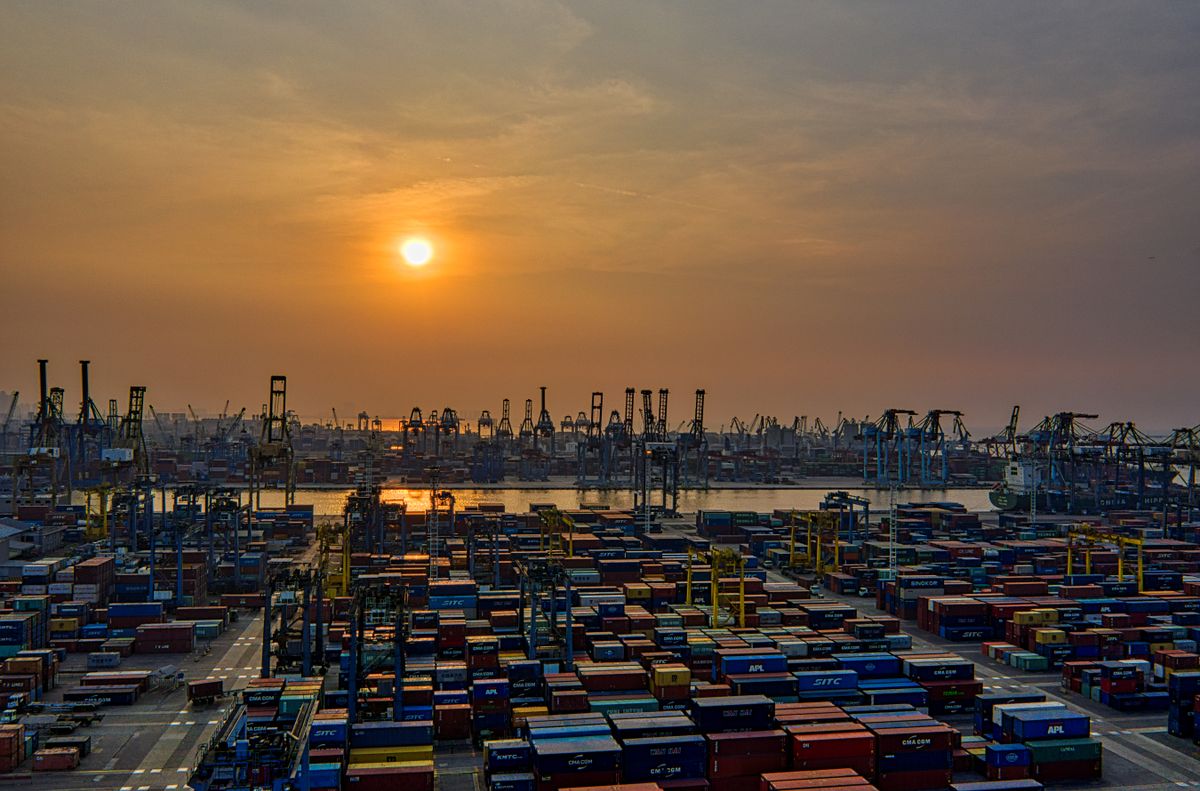
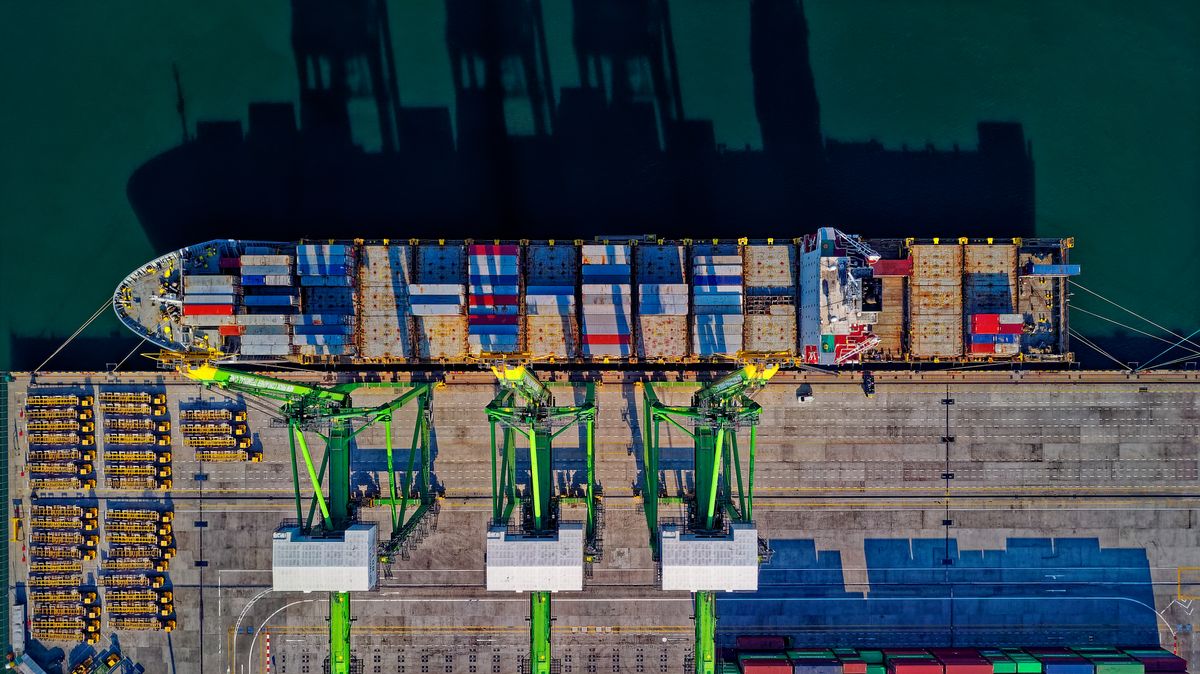
Sea transportation is ideal for large-volume and low-cost shipments. It is particularly preferred for the transport of heavy and bulky goods. However, delivery times with this method are longer compared to air transportation. Therefore, sea freight is a suitable choice for non-urgent shipments.
Sea transportation is conducted securely through the container shipping system. Customs procedures and documents are among the most important aspects of sea freight. It is critical for businesses to manage these processes correctly for a smooth transportation experience.
Land Transportation
Land transportation is the most practical method, especially for shipments between neighboring countries. Offering high flexibility and accessibility, land freight comes with the advantage of low costs. However, factors such as traffic conditions and weather can affect delivery times.
Land transportation is often used as a complement to shipments made by air and sea. Particularly, land freight frequently comes into play for last-mile deliveries of products. In this context, effective logistics management is crucial for timely deliveries.
Rail Transportation
Rail transportation is an economical option, especially for transporting heavy and bulky loads. This method, carried out using freight trains, is often combined with land or sea transport. Its reliability in providing transportation over long distances is one of the appealing factors of rail freight.
However, there are some disadvantages in rail transportation, such as timing and route restrictions. Therefore, businesses considering rail freight should plan their logistics while taking these limitations into account.
Conclusion: Which Method is Right for You?
Each transportation method offers advantages based on specific needs and conditions. Businesses should consider the type of shipment, costs, delivery time, and product characteristics when deciding which method to choose.
In the e-commerce world, both fast and secure transportation methods are paramount. Therefore, selecting the most suitable method in international cargo transportation plays a significant role in gaining a competitive advantage.