Introduction: An Overview of the International Cargo Sector
The international cargo sector facilitates the movement of goods and services worldwide, ensuring the sustainability of trade. This sector has become a vital part of economies, reaching trillions of dollars in volume each year. With the impact of globalization, cargo transportation has acquired a much more complex structure.
The use of various transportation methods around the world increases competition in this sector and reduces costs. Options like air, sea, and road transport provide businesses with flexibility, enabling them to find the best solutions according to their needs. However, this diversity also brings challenges.
The development of technology allows for the acceleration of operations in the cargo sector and enhances efficiency. Smart logistics solutions and artificial intelligence applications help optimize the process while reducing costs.
Finally, environmental sustainability has become a critical issue for the future of the international cargo sector. Companies are striving to find more innovative solutions to reduce their carbon footprints, triggering a significant transformation within the industry.
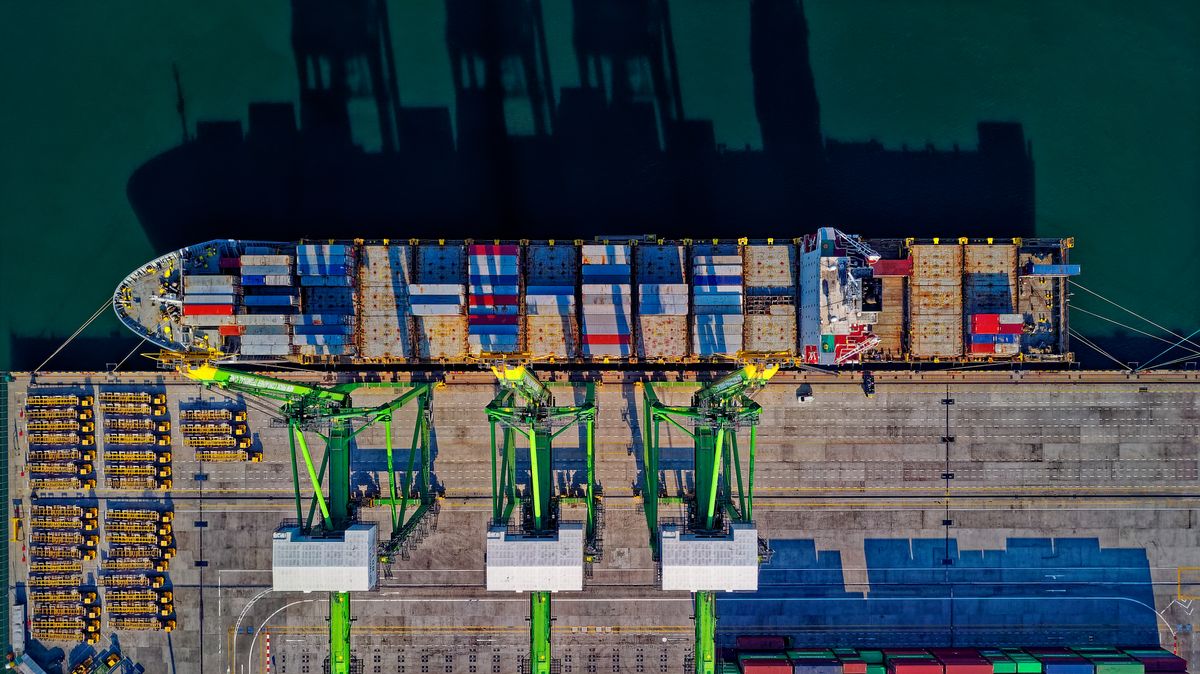
Developments in the International Cargo Sector
In recent years, the rise of e-commerce has significantly shaped the international cargo sector. The widespread adoption of online shopping has increased expectations for fast deliveries, prompting transportation companies to seek quicker and more effective solutions. Advanced logistics networks and warehousing facilities are continuously updated to meet this demand.
Additionally, robotic technologies and automation are being utilized to enhance the efficiency of cargo operations. For instance, automated storage systems and drone deliveries save time and costs, providing businesses with a competitive edge.
Furthermore, data analytics and IoT (Internet of Things) applications play a crucial role in monitoring and managing cargo processes. With these technologies, it has become possible to have real-time information at every stage of the cargo process.
Sustainability and Environmental Impacts
In the international cargo sector, sustainability has become a necessity rather than a choice. Companies are turning to green transportation solutions to reduce their environmental impacts. The use of renewable energy sources and electric vehicles plays a significant role in this process.
Additionally, waste management and recycling practices are among the methods used to reduce environmental impact in the cargo sector. Companies are reviewing their packaging processes to use less waste and more recyclable materials.
Finally, in line with sustainability goals, many international cargo firms are investing in carbon offset projects. These initiatives help companies reduce their environmental footprints and create positive changes within the industry.
Technological Innovations
Technology continues to revolutionize the international cargo sector. Blockchain technology enhances the transparency of cargo operations and reduces the risk of fraud. Thanks to this technology, tracking shipments and managing documents have become more reliable.
Additionally, artificial intelligence applications are being used to optimize cargo processes. Predictive analytics provide significant ease in logistics planning, helping companies make strategic decisions with data such as demand forecasting.
Finally, mobile applications allow users to easily access and manage information at every stage of the cargo process. These solutions improve customer experience while also increasing operational efficiency.
Future Trends
The future of the international cargo sector will continue to be shaped by technological innovations and environmental sustainability. Autonomous vehicles and robots will play a significant role in both delivery processes and warehouse management. Such innovations will reduce labor costs while increasing efficiency.
Additionally, smart logistics solutions powered by data analytics and artificial intelligence will provide businesses with better services and reduce costs. Customer experience will become even more important in this process, with personalized services being offered.
Finally, with the growth of global trade, the international cargo sector is expected to expand further. Opening up to new markets will offer great opportunities for companies while also increasing competition.