Introduction: International Cargo Transport Methods
International cargo transportation has become increasingly critical due to the effects of globalization. The growth of trade necessitates firms to reach markets in different geographies. However, the transport methods to be used in this process must be determined correctly.
There are various transport methods such as air, sea, road, and rail. Each has its own advantages and disadvantages. The choice of method varies depending on the type of shipment, urgency, and cost.
In this article, we will examine the four fundamental transport methods most commonly used in international cargo transportation. The choice between these methods is crucial for effectively managing all logistics processes.
Being informed about the advantages and disadvantages of cargo transport methods can enhance your business efficiency. By gaining detailed knowledge about each transport method, you can choose the one that best suits your needs.
Air Transportation
Air transportation stands out as the fastest option, especially for urgent and valuable shipments. Since airways have a vast network worldwide, they can cover long distances in a short time.
However, this method is usually more expensive compared to other modes of transport. When using air cargo, the weight and size of the shipment are significant factors. Advantages of air transportation include fast delivery times and tracking capabilities.
However, air transportation may not be suitable for large volume shipments. Especially for heavy loads, sea transportation offers a more economical alternative.
Sea Transportation
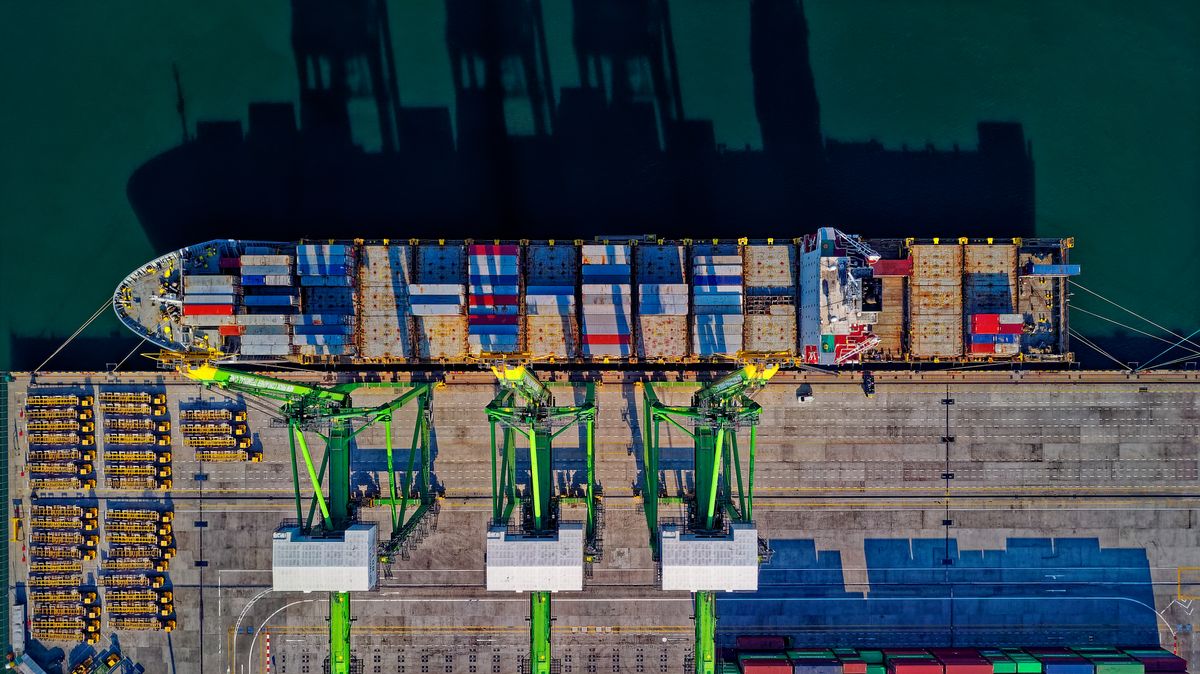
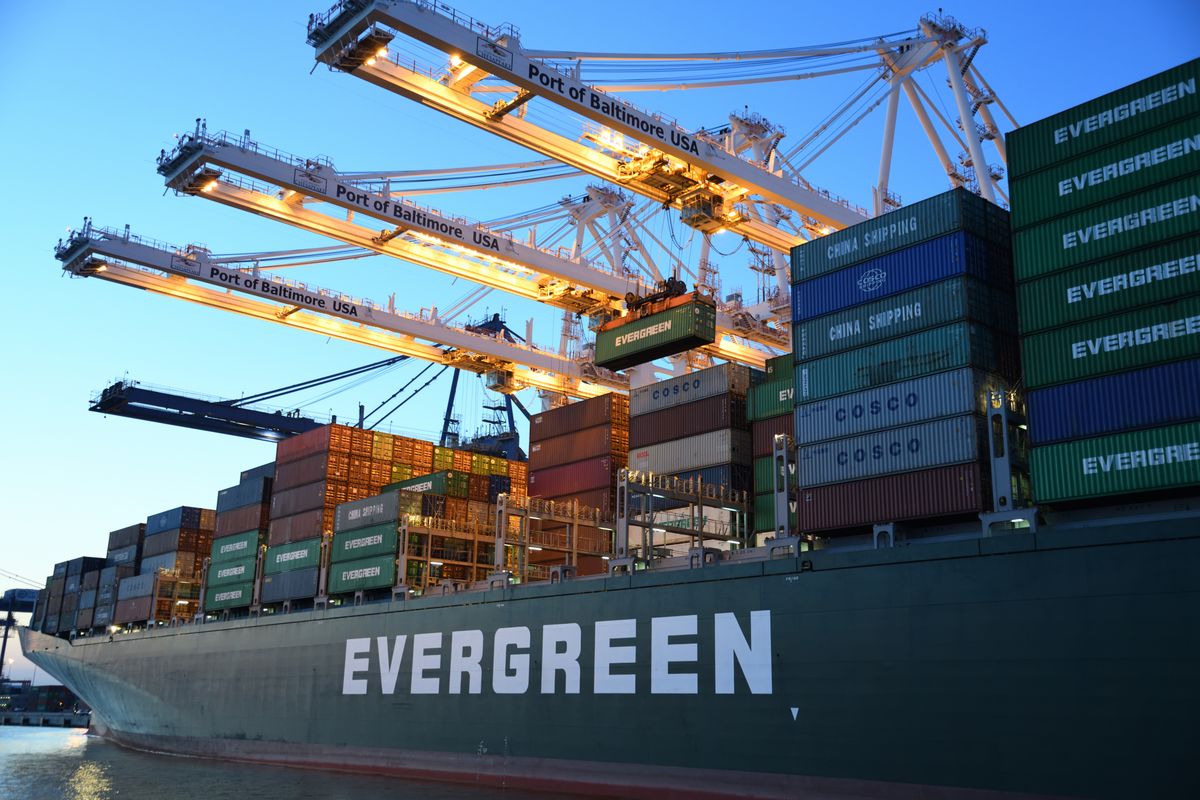
Sea transportation is the most commonly used method for transporting large volumes of goods. Ships are an ideal option for transporting large quantities of goods via containers.
Sea transportation typically offers lower costs. However, delivery times are longer compared to air transportation. Therefore, it should be preferred when flexibility in timing is possible.
Cargo ships operate via sea routes worldwide, thus providing access to many countries. Customs procedures play a significant role in this process, and obtaining the correct documents is essential.
Road Transportation
Road transportation is an effective method, especially for local and regional shipments. Transportation by trucks and lorries offers flexibility and quick access.
This method can be more economical over short distances. However, it can be time-consuming for long distances and may vary depending on traffic conditions.
Road transportation can be combined with intermodal transport methods. For example, a shipment sent by sea can be transported to its final destination by road.
Rail Transportation
Rail transportation is a suitable option, especially for heavy industrial loads and large volume shipments. Preferred for its economy, this method is effective over long distances.
Rail transportation stands out as an eco-friendly alternative. Additionally, trains are generally safer, and the risk of accidents is lower.
However, rail transportation also has some limitations. It can only be used on specific routes and requires integration with other transport methods.
Conclusion: Choosing the Right Transport Method
The choice of which method to select in international cargo transportation depends on the nature, urgency, and budget of the shipment. Air, sea, road, and rail transportation should be considered with their respective advantages and disadvantages.
Choosing the right method will help you optimize your logistics processes. To ensure that your shipments arrive safely, on time, and cost-effectively, you should carefully analyze the transport methods.
In conclusion, each transport method has its unique characteristics. Determining the most suitable one for your cargo shipments can enhance the efficiency of your business processes.