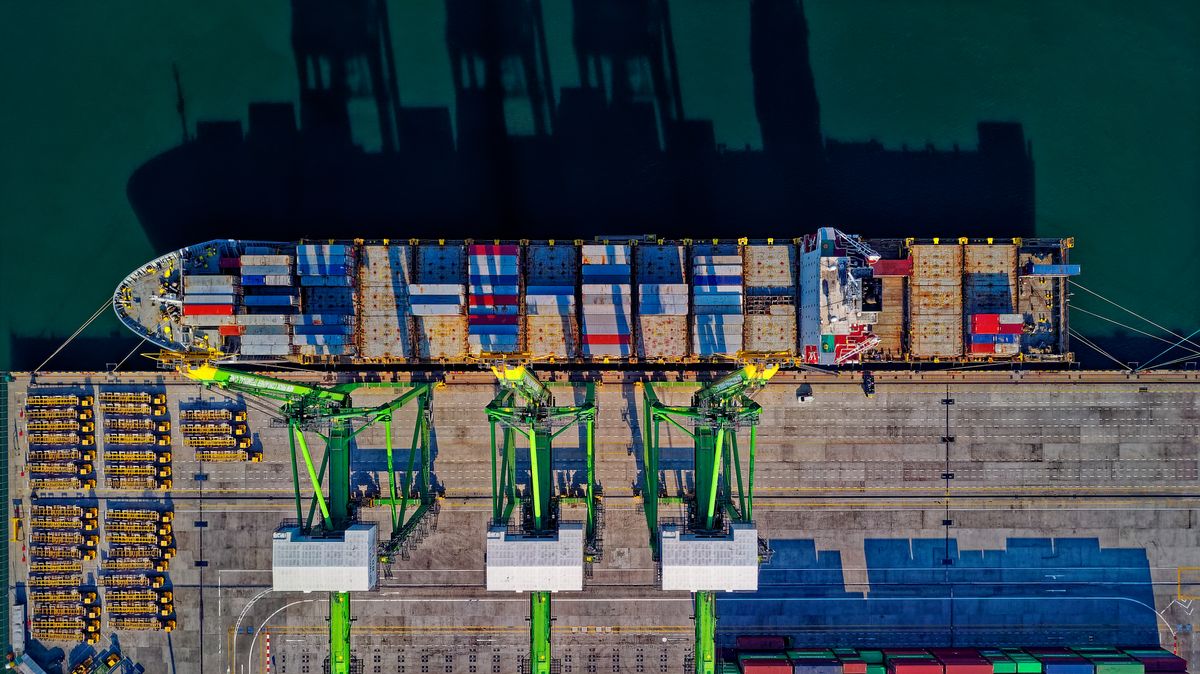
Introduction: International Cargo Transportation Methods
With the increase in international trade, cargo transportation has gained significant importance. Various transportation methods are available to ensure the safe and timely delivery of products between different countries.
These methods are chosen based on factors such as cost, speed, and type of product. Deciding which method to use plays a critical role in the successful execution of your shipment.
In this article, we will explore different transportation methods such as sea freight, air freight, road freight, and rail freight. We will discuss the advantages and disadvantages of each method in detail.
Understanding transportation methods is an important factor that affects not only the price but also the delivery time and security. Therefore, you should conduct a careful evaluation to make the right choice.
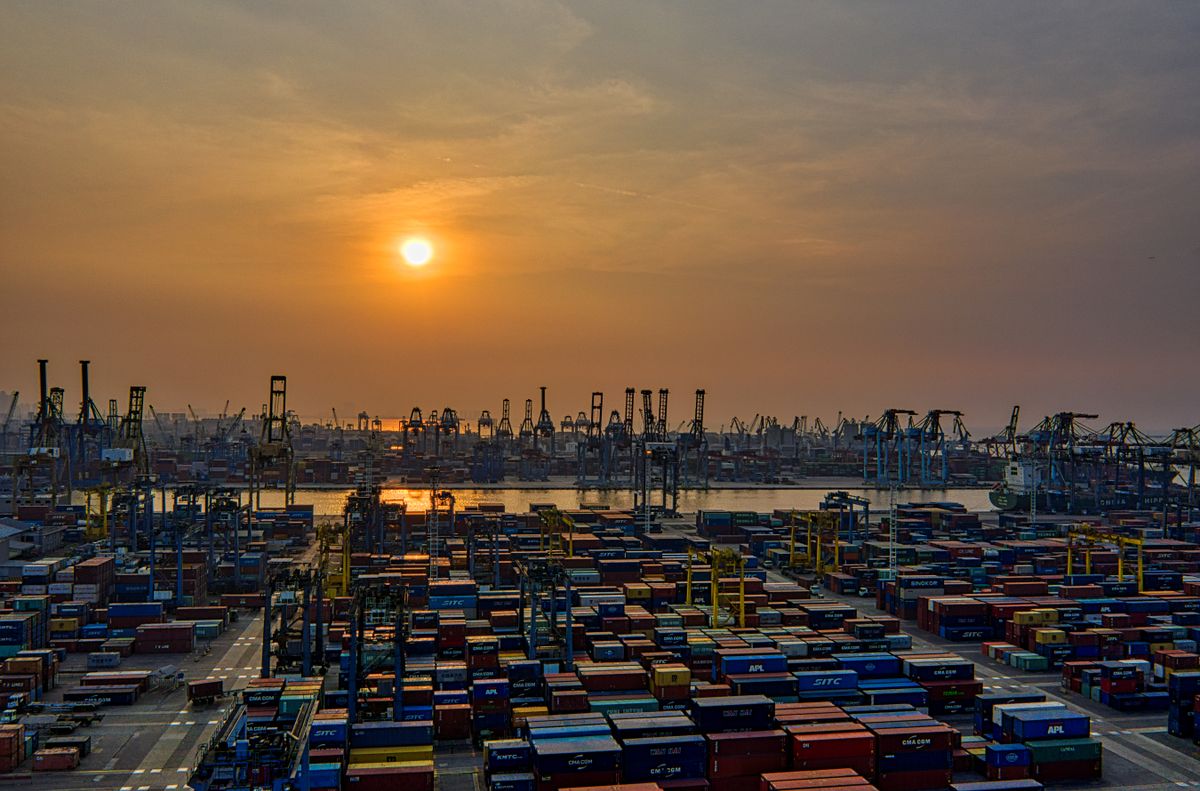
Sea Freight: An Economical and Reliable Option
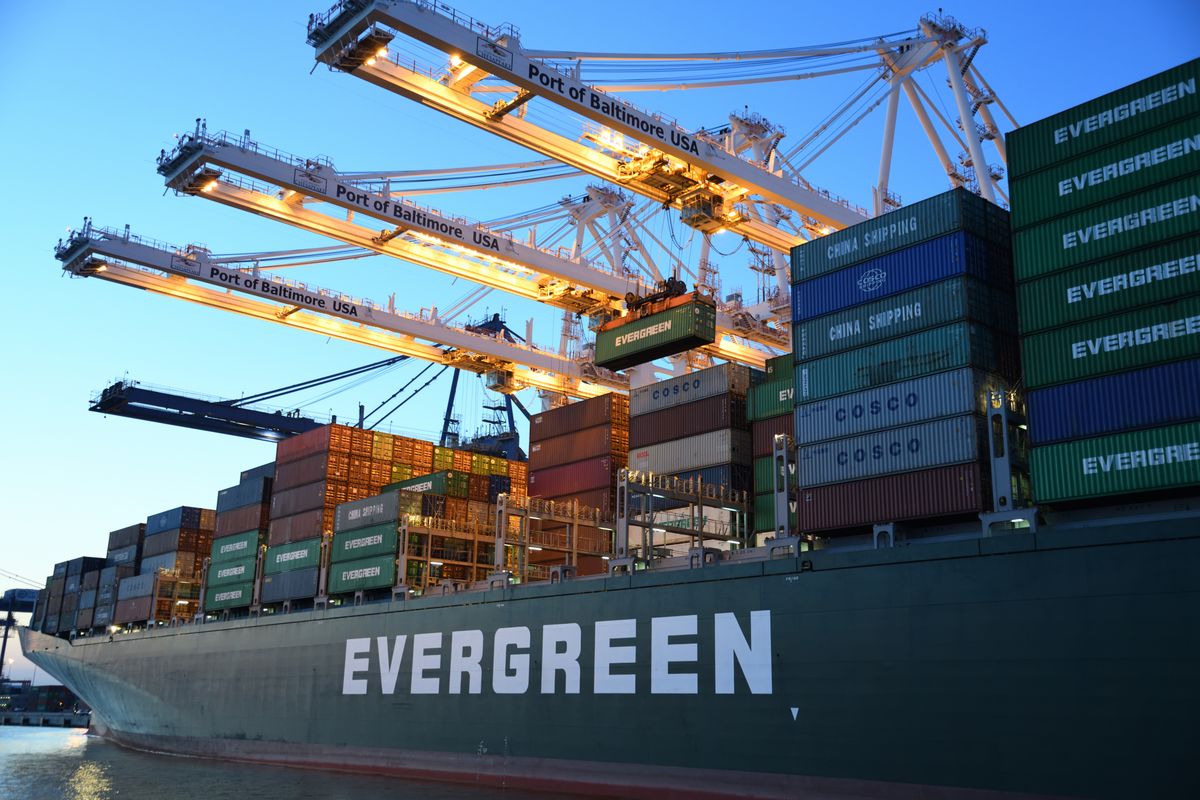
Sea freight is one of the most popular transportation methods for large volume shipments. It is particularly cost-effective for heavy and bulky products. This method involves transporting goods via container ships across international waters.
The downside of sea freight is that it has longer delivery times compared to air freight. Additionally, delays can occur due to adverse weather conditions. However, many businesses prefer this method due to its cost-effectiveness.
Shipping by sea is also intertwined with customs processes and port management. To ensure your shipments reach their destination smoothly, preparing the correct documents and declaring them in a timely manner is crucial.
Air Freight: Speed and Efficiency
Air freight is the fastest method for international shipments. In situations where time is critical, air freight provides significant advantages for businesses. It is especially preferred for urgent shipments.
However, the cost of air freight is generally higher when compared to sea freight. While it is an ideal option for small and valuable products, it may not be a cost-effective solution for large and heavy shipments.
Air transportation typically requires less customs and processing time, helping to complete shipments quickly. This is a significant advantage, especially in emergencies.
Road Freight: Suitable for Local Shipments
Road freight is commonly used for shipping cargo at national and local levels. It is ideal for the quick and secure delivery of small packages. It is becoming a popular choice, especially for e-commerce businesses.
This method is typically used for shorter distances. However, delivery times can vary due to external factors such as traffic congestion and weather conditions.
While road transportation is cost-effective, it may face limitations over long distances. Therefore, the appropriate choice should be made depending on the characteristics of the products being transported.
Rail Freight: Reliable and Economical
Rail freight is an effective method for transporting large volume shipments. It offers a cost-competitive option while providing an environmentally friendly alternative.
This method is often used in conjunction with road freight. It provides reliability over long distances while speeding up the transportation process.
However, the downside of rail transportation is that it cannot reach all destinations. Therefore, it is important for the products to be close to central stations for rail transport.