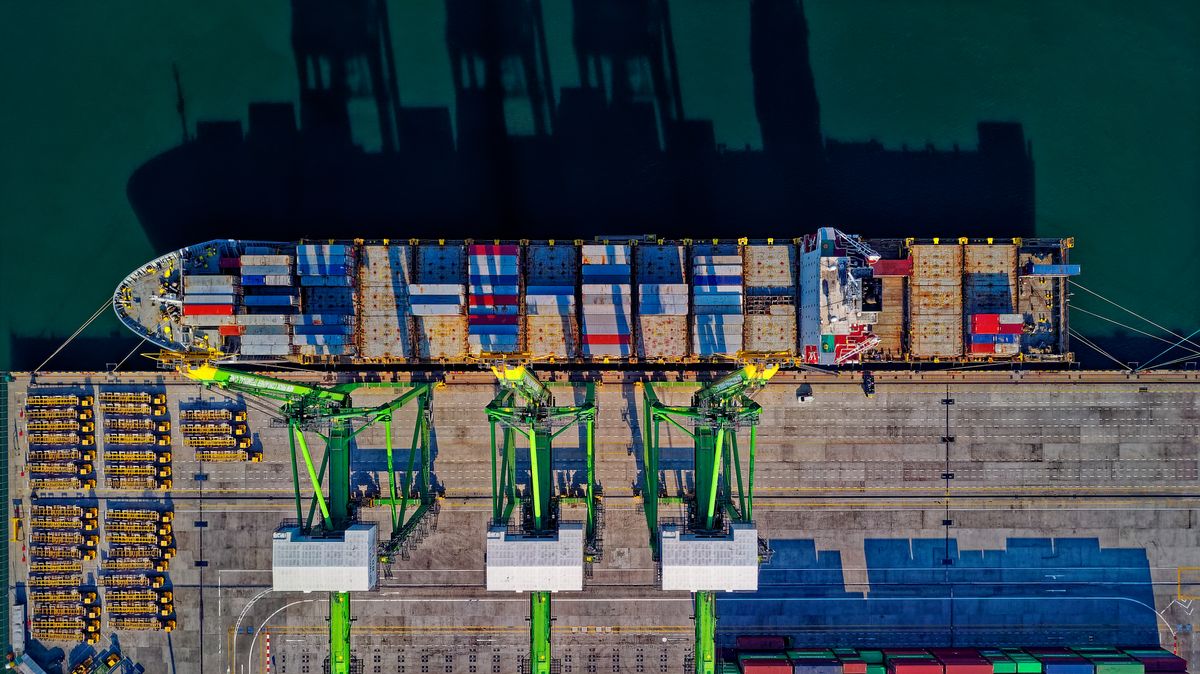
Introduction: The Importance of Sea Freight
In international cargo transport, sea freight methods play an important role. A significant portion of global goods transportation is carried out via sea. This is due to the high carrying capacity of sea freight and its cost-effectiveness, making it an ideal option for long-distance transport.
Sea freight provides flexibility in transporting different types of products. From food items to heavy machinery, and from clothing to electronics, many products can be transported by sea. Moreover, while sea freight processes typically take longer, they are more cost-effective compared to other methods such as air freight.
In this article, we will focus on the advantages, applications, and processes of sea freight. We will also address the points to consider in sea freight shipping. Thus, you can manage your international shipping more effectively.
In conclusion, sea freight is an indispensable part of international trade. Having the right information can increase efficiency in this process.
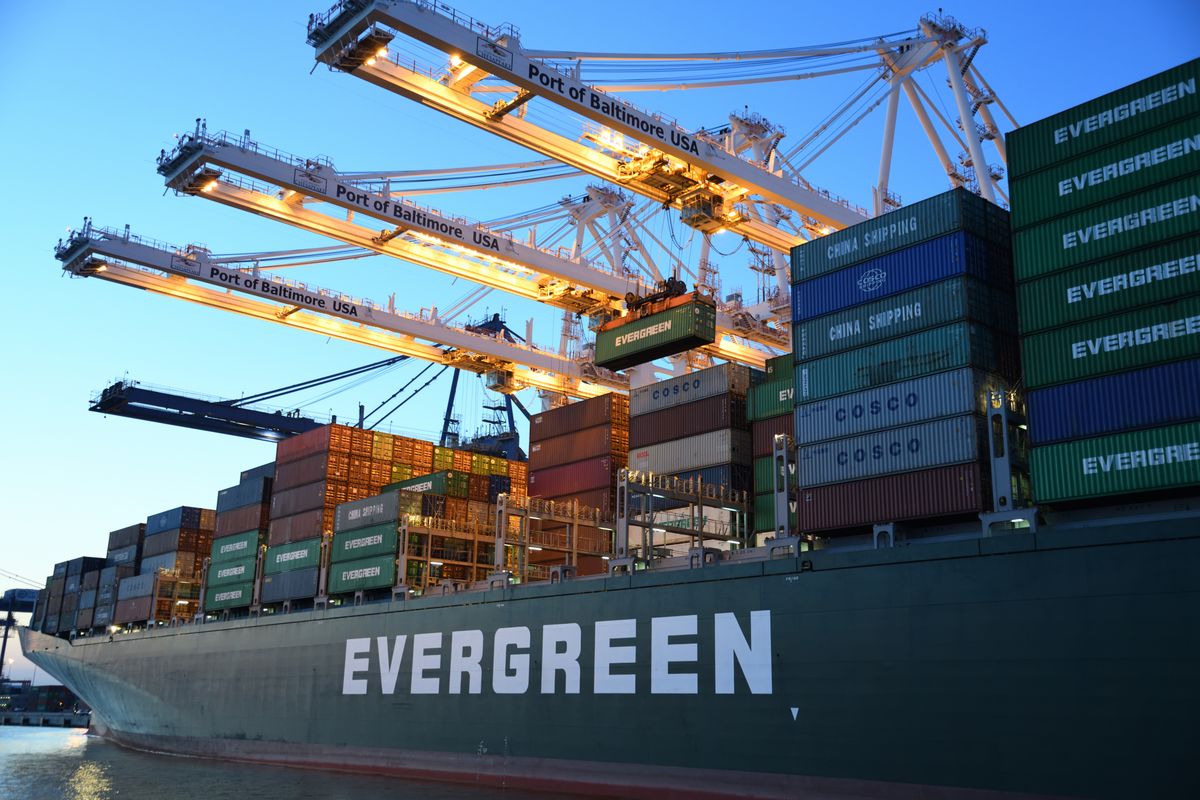
Advantages of Sea Freight
One of the main advantages of sea freight is its high carrying capacity. When large quantities of goods need to be transported, the sea route is the most suitable option. Additionally, as sea transport is organized through containers, the loading and unloading processes are quick and easy.
In terms of cost, sea freight is generally much more economical than air freight. Using the sea route for long-distance shipments can lead to significant savings. Furthermore, there are also environmental advantages, such as lower fuel consumption and reduced carbon emissions.
Lastly, sea freight offers various transportation options. Different methods such as container shipping and Ro-Ro (Roll-on/Roll-off) transport can be tailored to the needs of the shipments.
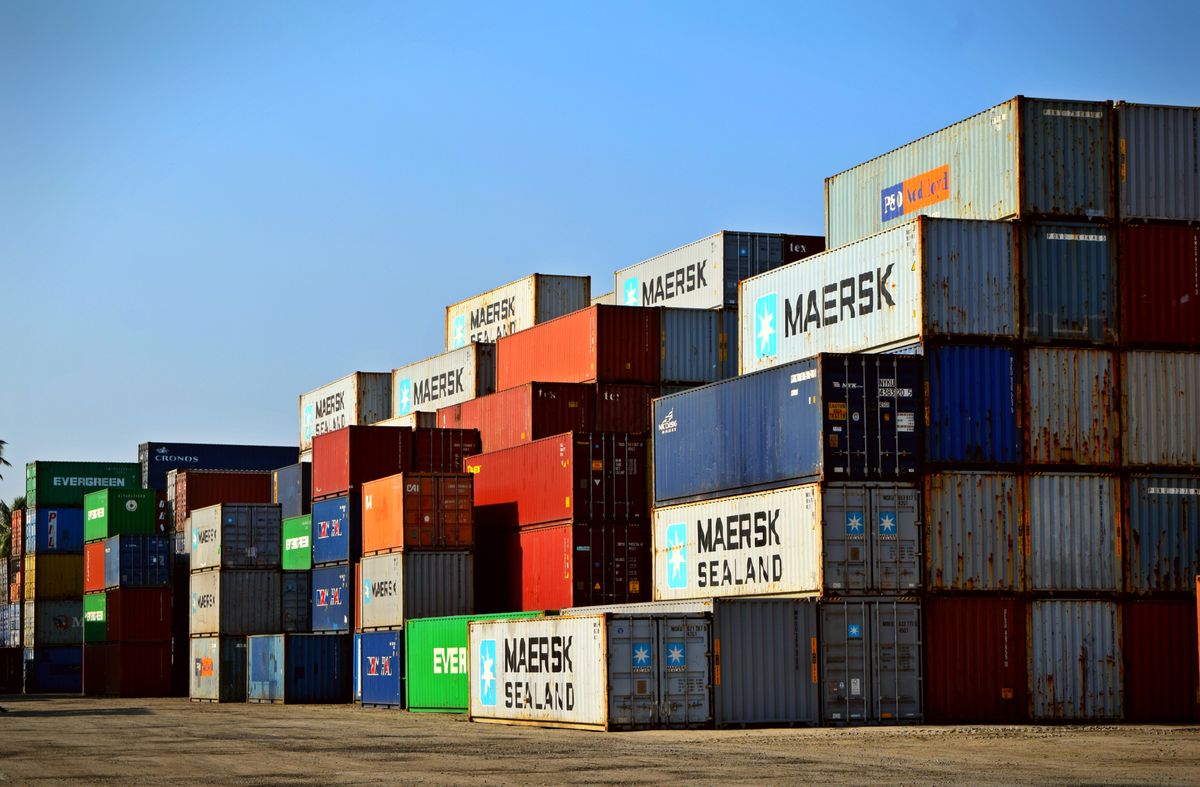
Applications of Sea Freight
Sea freight is commonly used for transporting heavy and bulky products. Categories such as construction materials, automotive parts, household goods, and food products are shipped via sea. Additionally, sea freight is ideal for large-scale export operations.
The use of sea freight is also increasing in the e-commerce sector. Especially online stores that order large quantities of products can reduce their costs with sea freight. This allows them to offer more competitive prices.
However, the time-consuming nature of sea freight can be a disadvantage in some cases. Nevertheless, it allows for the secure transportation of goods during this period.
The Sea Freight Process
The sea freight process begins when the cargo reaches the port. The cargo is sent to the port along with the necessary documents. Then, the customs procedures must be completed. At this stage, having complete and accurate documents is of utmost importance.
After the loading process is completed, the cargo is loaded onto the container ship. Following this, the shipment sets sail for the destination port. The duration of the journey may vary depending on the ship's route and weather conditions.
When the shipment arrives at the destination port, customs procedures are carried out again. After the customs procedures are completed, the cargo is prepared for delivery to the recipient.
Things to Consider in Sea Freight Shipping
When shipping by sea freight, the first thing to pay attention to is the preparation of the correct documents. Incorrect or missing documents can create problems at customs. Additionally, the packaging of the products being shipped is also crucial, as it prevents damage during the sea journey.
Optimizing the loading and unloading processes saves time. Therefore, to minimize potential delays at the port, loading and unloading times should be well-planned.
Finally, working with a reliable logistics company can make sea freight processes more effective. Choosing the right company ensures that your shipments reach their destination quickly and safely.