Introduction: The Importance of Packaging
In international shipping, packaging plays a critical role in the safety of products and the reduction of delivery times. Proper packaging practices are essential to avoid issues during transportation and customs processes.
Packaging not only protects your products but also impacts costs. Choosing the right packaging can optimize shipping fees and reduce the risk of damage.
In this article, we will discuss effective packaging strategies for international shipping and the key factors to consider. Our goal is to ensure that your shipments arrive safely and cost-effectively.
By gaining insights into the packaging process, you can save time and avoid potential extra costs. Let’s explore the intricacies of packaging together.
Choosing the Right Packaging Materials
Packaging materials should be chosen based on the type of products being shipped. Cardboard boxes are the most commonly used packaging materials due to their lightweight and durable structure. However, for fragile items, it is advisable to use bubble wrap or foam packaging.
Additionally, using water-resistant materials can protect your shipments from adverse weather conditions. This minimizes the risk of damage caused by rain or humidity.
Finally, if your product is lightweight but bulky, choosing the right size packaging can reduce costs. Leaving minimal empty space optimizes transport expenses.
Key Considerations in the Packaging Process
One of the most important aspects to consider during the packaging process is securing your product. Items should not move within the box; therefore, you should use cushioning materials. This reduces the risk of damage during transit.
Additionally, clearly labeling the shipping information on the outer packaging is beneficial for both carriers and customs officials. Incorrect or missing information can lead to delays in customs.
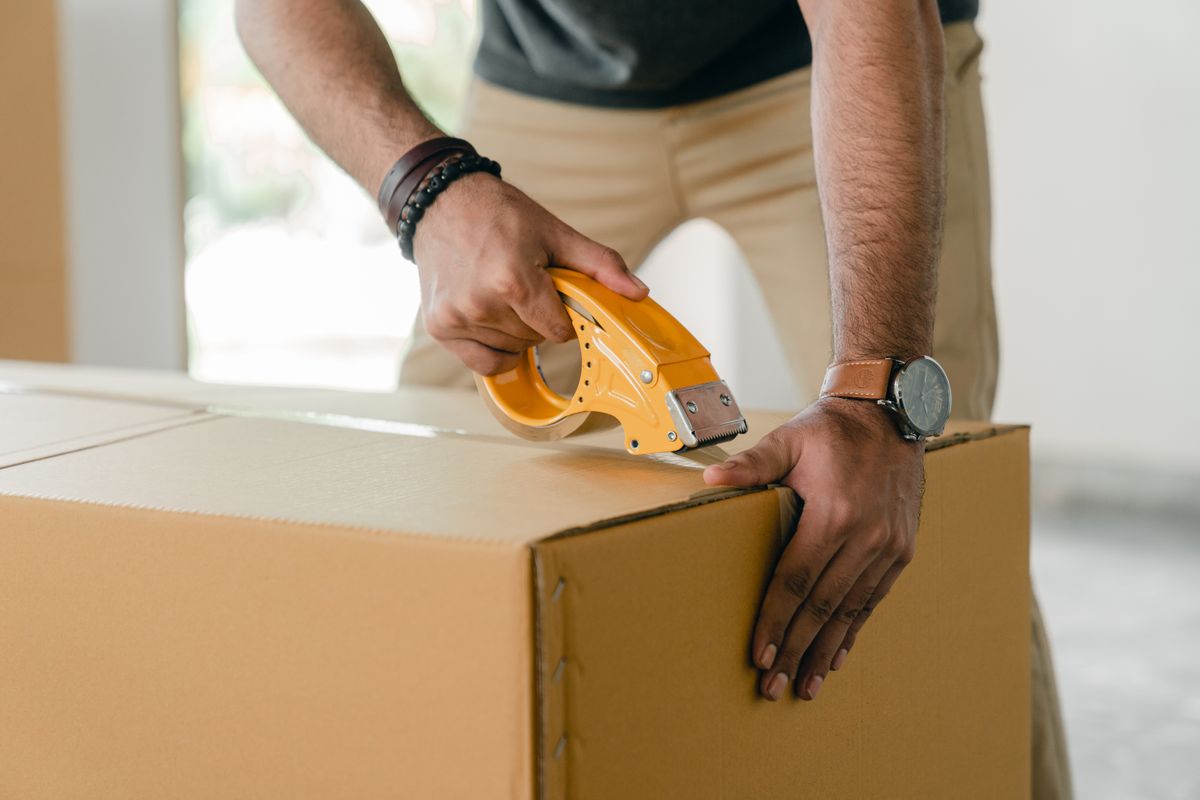
Finally, don’t forget to use strong tape when sealing your packages. A proper and secure closure contributes to the safe arrival of your shipment.
Preparation and Labeling for Shipment
Shipment preparation is a critical step that follows packaging. Placing the correct label on your package helps ensure a smooth delivery process. Incorrect labels can lead to your shipment being lost or sent to the wrong address.
When preparing your labels, carefully verify the recipient's information. The accuracy of details such as address, phone number, and email is crucial for timely delivery.
Finally, don’t forget to generate a tracking number that allows for tracking of your package. This helps both you and the recipient monitor the shipment status.
Optimizing Packaging Costs
Optimizing packaging costs provides a significant advantage in international shipping. The first thing you need to learn is to send your products in the most suitable packaging size. Using a larger box than necessary increases your shipping costs.
Additionally, opting for local and eco-friendly packaging materials can reduce costs while being environmentally conscious.
Finally, purchasing packaging materials in bulk can lead to savings. Businesses that regularly ship products can significantly reduce their costs with such strategies.